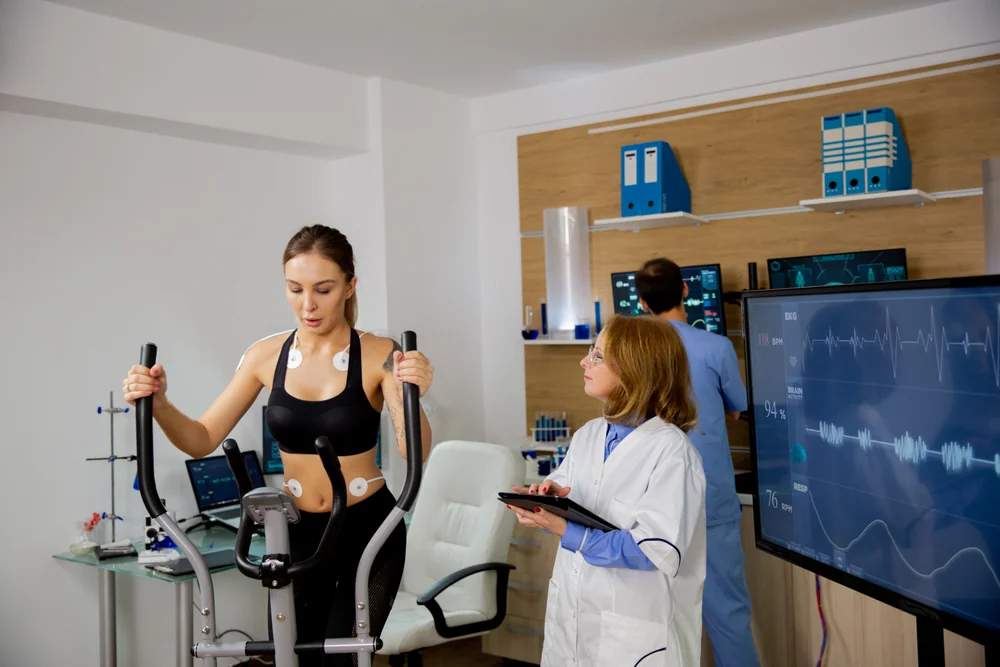
Cardiac rehabilitation Bangalore is a vital part of recovery after a heart attack, angioplasty, bypass surgery, or other heart conditions. This structured program helps patients regain strength, improve heart health, and reduce the risk of future cardiac events by combining exercise, diet, stress management, medication adherence, and lifestyle changes. Following an individualized cardiac rehabilitation plan advised by your cardiologist and rehabilitation team is essential for the best outcomes. In Bangalore, with its growing population and increasing incidence of heart disease, access to quality cardiac rehabilitation programs is crucial in reducing the burden of cardiovascular conditions and enhancing patients' quality of life.
What Does a Cardiac Rehabilitation Program Involve?
A comprehensive cardiac rehabilitation program typically includes supervised exercise sessions, nutritional counseling, stress reduction techniques, education on medication adherence, and support for smoking cessation. This holistic approach addresses all aspects of heart health recovery and reduces cardiovascular risk. Patients can expect to work closely with a team of healthcare professionals who tailor the program to their specific needs and recovery stage. As outlined by the American Heart Association (AHA), participating in structured rehab significantly lowers mortality and secondary complications.
Supervised exercise sessions often begin with low-intensity activities such as walking or stationary cycling, progressing gradually to more demanding exercises as the patient builds endurance and strength. In Bangalore, many rehabilitation centers utilize advanced monitoring equipment to track heart rate and blood pressure during sessions, ensuring patient safety.
Nutritional counseling is another critical component. Patients learn about heart-healthy diets common in Indian cuisine, focusing on reducing saturated fats, trans fats, and excess salt, while incorporating more fruits, vegetables, whole grains, and lean proteins. Dietitians often provide culturally relevant meal plans that suit local tastes while promoting cardiovascular health.
Stress reduction techniques include guided relaxation exercises, mindfulness meditation, and breathing practices aimed at lowering cortisol levels and improving overall emotional wellbeing. Bangalore’s fast-paced city life can often contribute to stress, making these methods particularly valuable for patients.
Education on medication adherence involves detailed explanations of prescribed drugs such as beta-blockers, ACE inhibitors, or statins, emphasizing the importance of timing, dosage, and potential side effects. Patients are also taught to recognize warning signs of complications.
Smoking cessation support includes counseling sessions, nicotine replacement therapies, and peer support groups, helping patients overcome tobacco addiction — a significant risk factor for heart disease prevalent in many parts of India.
Who Can Benefit from Cardiac Rehabilitation?
Patients recovering from events like a heart attack, angioplasty, bypass surgery, or those living with chronic heart conditions benefit greatly from a cardiac rehab program. For example, those undergoing cardiac rehab after angioplasty or heart attack recovery find improved physical fitness and confidence in managing their health. Family members and caregivers in Bangalore also gain valuable knowledge to support their loved ones during recovery.
Beyond those who have experienced acute cardiac events, individuals with stable angina, heart failure, or peripheral artery disease can also benefit from cardiac rehabilitation. Clinical protocols established by the National Institutes of Health (NIH) show that elderly patients benefit significantly from customized programs accommodating mobility limitations and comorbidities to ensure safe participation.
In Bangalore, where lifestyle-related risk factors such as sedentary behavior, unhealthy diets, and stress are common, cardiac rehabilitation programs also serve a preventive role. Patients with risk factors like hypertension, diabetes, or obesity may be referred for early intervention to avoid future heart complications.
Family involvement is emphasized in many Bangalore-based programs. Caregivers receive training on how to assist with medication management, encourage healthy habits, and recognize symptoms that warrant medical attention. This support network improves adherence to rehabilitation and enhances recovery outcomes.
Understanding the Stages of Recovery After Heart Attack and Surgery
Recovery after heart attack or surgery follows several stages:
Initial Recovery: Focus on rest and gentle mobilization under medical supervision. This phase usually occurs in the hospital or immediately after discharge. Patients are monitored closely for any signs of complications such as arrhythmias or chest pain. Early mobilization might include simple limb movements or sitting up in bed to prevent muscle atrophy and improve circulation.
Supervised Cardiac Rehabilitation: Gradual increase in physical activity with guidance to ensure safety. Patients begin structured exercise routines tailored to their cardiovascular status. This stage often takes place in specialized rehabilitation centers or outpatient clinics in Bangalore, where medical staff supervise exercise intensity and monitor vital signs. Education sessions on diet, medication, and stress management are integrated during this period.
Lifestyle Modification and Maintenance: Long-term adherence to heart-healthy habits including diet, exercise, and stress management. After completing supervised rehabilitation, patients transition to self-managed care, incorporating learned behaviors into daily life. Regular follow-ups with cardiologists in Bangalore help track progress and adjust treatment as needed. Community support groups or digital health tools may assist in maintaining motivation.
This progression supports healing while preventing complications and recurrent events. It is important that patients understand the significance of each stage, as premature resumption of intense activities or neglecting lifestyle changes can lead to setbacks.
What to Expect During a Typical Cardiac Rehab Program
During a cardiac rehabilitation program, patients engage in tailored physical activities designed to improve cardiovascular fitness without overexertion. These activities are carefully monitored to balance the benefits of exercise with the risk of strain on the recovering heart. In Bangalore, facilities often incorporate treadmill walking, cycling, and resistance training using light weights or bands, adapting intensity based on patient response.
Nutritional guidance helps promote heart-healthy eating habits essential for heart health recovery. Dietitians work closely with patients to modify traditional Indian meals, reducing ghee and fried foods while increasing fiber intake through dals, vegetables, and whole grains. Practical cooking demonstrations and recipe sharing are common to facilitate adherence.
Stress management techniques, such as relaxation exercises and counseling, support emotional well-being. Bangalore’s rehabilitation centers may offer group therapy sessions, yoga classes, or mindfulness workshops to help patients develop coping strategies against anxiety and depression, which are common post-cardiac event.
Medication adherence education ensures patients understand their prescriptions and the importance of following them closely. Pharmacists and doctors provide clear instructions, often using pill organizers or mobile app reminders to improve compliance.
Smoking cessation support is offered to reduce further cardiac risks. Bangalore-based programs may include behavioral counseling, nicotine replacement products, and peer support networks to enhance success rates.
Throughout the program, patients receive regular assessments of their blood pressure, cholesterol levels, and glucose control, allowing the healthcare team to adjust interventions as needed. Psychological support is also emphasized, recognizing the impact of mental health on cardiac outcomes.
Role of Exercise, Diet, Stress Management, Medication, and Smoking Cessation
Exercise: Enhances heart efficiency and physical endurance safely. Regular physical activity strengthens the myocardium, improves circulation, reduces blood pressure, and aids weight management. In Bangalore, where air quality concerns exist, indoor exercise options with filtered air are often recommended to mitigate exposure to pollutants during rehabilitation.
Diet: Emphasizes balanced nutrition to maintain healthy cholesterol and blood pressure. Diet plans are designed to limit sodium intake (often high in Indian pickles and snacks), reduce sugar consumption to control diabetes, and promote foods rich in omega-3 fatty acids, antioxidants, and fiber. Embracing plant-based meals common in South Indian cuisine can be both heart-healthy and culturally acceptable.
Stress Management: Reduces harmful stress hormones impacting heart health. Techniques such as progressive muscle relaxation, guided imagery, and counseling address psychological stressors like work pressure or family responsibilities, which are prevalent in urban Bangalore. Reducing stress lowers the risk of arrhythmias and hypertension.
Medication Adherence: Prevents complications and supports recovery. Ensuring patients take medications as prescribed reduces the likelihood of recurrent angina, heart attacks, or heart failure exacerbations. Education on side effects and drug interactions is critical, especially for elderly patients with polypharmacy.
Smoking Cessation: Eliminates a major risk factor for heart disease. Tobacco use contributes to arterial damage and clot formation. Programs in Bangalore often address both smoking and chewing tobacco, which is also a cardiovascular risk factor in India. Behavioral counseling and community support increase cessation success.
Together, these components form the backbone of a successful cardiac recovery program. Integrating them holistically ensures that patients not only recover but also build resilience against future cardiac events.
Realistic Expectations About Recovery Timelines
Recovery timelines vary based on individual health status and the severity of cardiac events. Typically, patients may spend weeks to months progressing through rehabilitation stages. Patience and commitment to the program are crucial. While full recovery takes time, structured cardiac rehabilitation significantly improves outcomes and quality of life.
For example, a patient recovering from a mild heart attack may begin light exercise within days, progress to moderate workouts in 4–6 weeks, and return to daily activities within 3 months. Patients who have undergone complex bypass surgeries or who have multiple comorbidities may require 6 months or more for full functional recovery.
In Bangalore, the availability of rehabilitation centers and follow-up care can influence recovery speed. Access to multidisciplinary teams including cardiologists, physiotherapists, dietitians, and psychologists helps address all aspects of recovery efficiently.
Patients should be aware that setbacks such as fatigue, occasional chest discomfort, or emotional challenges are common and manageable with proper support. Regular communication with healthcare providers helps tailor rehabilitation, ensuring safe progression.
Long-term maintenance of heart-healthy behaviors remains essential even after formal rehabilitation ends. Many patients find ongoing participation in community exercise groups or health coaching beneficial for sustaining improvements.
Why Follow a Structured Cardiac Rehabilitation Program?
Structured programs provide supervised care, personalized plans, and continuous monitoring, which greatly reduce the risks of recurrent heart problems. This approach ensures safe progression in physical activity and lifestyle changes, empowering patients to take control of their heart health long-term.
Without structured rehabilitation, patients may underestimate the importance of gradual recovery, leading to overexertion or neglect of lifestyle modifications. This can increase hospital readmissions and worsen prognosis.
In Bangalore, structured cardiac rehabilitation programs also provide access to the latest evidence-based practices and technologies, including tele-rehabilitation options for those with mobility or transportation challenges. These programs foster peer support, motivating patients through shared experiences.
For patients in Bangalore seeking expert guidance, Cardiac Rehabilitation offers comprehensive support tailored to individual needs. The multidisciplinary team’s expertise helps navigate the complexities of heart recovery, ensuring each patient receives optimal care.
Book a Consultation to start your heart recovery journey today.
Last updated: August 2026